

cerebrolysim
$80.00
Cerebrolysin Peptide: Comprehensive Research Guide Cerebrolysin is a unique, standardized mixture of low-molecular-weight neurotrophic peptides and amino acids derived from porcine brain tissue via a …
DISCLAIMER:
Cerebrolysin Peptide: Comprehensive Research Guide
Cerebrolysin is a unique, standardized mixture of low-molecular-weight neurotrophic peptides and amino acids derived from porcine brain tissue via a standardized enzymatic hydrolysis process. Originally developed in Austria in the 1950s by Ever NeuroPharma, Cerebrolysin has been used clinically for decades in many countries for the treatment of various neurological disorders, including stroke, traumatic brain injury, Alzheimer’s disease, vascular dementia, and cognitive impairment. With a complex composition of over 200 different low-molecular-weight peptides (ranging from 1000-10,000 Da) and free amino acids, Cerebrolysin is designed to mimic the effects of endogenous neurotrophic factors, promoting neuronal survival, neurogenesis, synaptic plasticity, and cognitive function.
Cerebrolysin’s remarkable biological activity stems from its complex mixture of neurotrophic peptides, which act through multiple complementary mechanisms to support brain health and function. Unlike single-target drugs, Cerebrolysin’s multi-component composition allows it to modulate multiple pathways involved in neuronal survival, neuroinflammation, oxidative stress, neurogenesis, and synaptic plasticity, making it a unique research tool for investigating neuroprotection, neurodegeneration, and cognitive function. Researchers worldwide utilize high-purity, standardized Cerebrolysin to investigate stroke recovery, traumatic brain injury, Alzheimer’s disease, vascular dementia, cognitive enhancement, neurogenesis, neuroprotection, and the therapeutic potential of neurotrophic peptides for a wide range of neurological conditions.
Molecular Composition and Biological Properties
Cerebrolysin is a complex, standardized mixture of peptides and amino acids with a well-characterized composition. Key properties:
- COMPOSITION: Standardized mixture of low-molecular-weight peptides (approximately 200+ different peptides, ranging from 1000-10,000 Da) and free amino acids, derived from porcine brain tissue via controlled enzymatic hydrolysis
- PEPTIDE CONTENT: Approximately 20-30% by weight (peptide fraction), with molecular weights predominantly below 10,000 Da (most below 5000 Da), ensuring blood-brain barrier penetration
- AMINO ACID CONTENT: Approximately 70-80% by weight, including all essential and non-essential amino acids, with particularly high concentrations of glutamate, aspartate, arginine, lysine, and other amino acids important for brain function
- MOLECULAR WEIGHT DISTRIBUTION: Predominantly <10 kDa (99% of peptides), with most peptides in the 1-5 kDa range; no high-molecular-weight proteins or intact neurotrophic factors (which could cause immune reactions)
- APPEARANCE: Clear, yellowish-brown aqueous solution (injectable) or white to off-white lyophilized powder (for research use)
- pH: Approximately 6.5-7.5 (physiological pH)
- OSMOLALITY: Approximately 250-350 mOsm/kg (isotonic)
- BLOOD-BRAIN BARRIER PENETRATION: The low-molecular-weight peptides in Cerebrolysin are able to cross the blood-brain barrier via passive diffusion and potentially specific transport mechanisms, allowing them to exert direct effects on neurons and glial cells
- STANDARDIZATION: Each batch is standardized and tested for peptide content, amino acid profile, molecular weight distribution, biological activity, and safety, ensuring consistent quality and efficacy across batches
- HALF-LIFE: The peptide components have varying half-lives in the body, but overall, Cerebrolysin’s effects are relatively long-lasting due to its effects on gene expression, neurotrophic factor production, and long-term neuronal plasticity
Mechanism of Action and Neurotrophic Effects
Cerebrolysin exerts its diverse neurological effects through multiple complementary mechanisms, reflecting its complex composition of neurotrophic peptides and amino acids. Key mechanisms include:
- NEUROTROPHIC FACTOR-LIKE ACTIVITY: The most well-characterized mechanism of Cerebrolysin is its ability to mimic the effects of endogenous neurotrophic factors, including nerve growth factor (NGF), brain-derived neurotrophic factor (BDNF), glial cell line-derived neurotrophic factor (GDNF), and ciliary neurotrophic factor (CNTF). While Cerebrolysin does not contain intact neurotrophic factors (which are large proteins that cannot cross the blood-brain barrier and may cause immune reactions), its low-molecular-weight peptides are able to activate neurotrophic signaling pathways and upregulate the expression of endogenous neurotrophic factors and their receptors. This neurotrophic activity promotes neuronal survival, differentiation, neurite outgrowth, synaptic formation, and neuronal plasticity, and protects neurons from various forms of injury and degeneration.
- NEUROPROTECTION AND ANTI-APOPTOTIC EFFECTS: Cerebrolysin has potent neuroprotective effects, protecting neurons from a wide range of insults, including ischemia (lack of blood flow), oxidative stress, excitotoxicity (excessive glutamate stimulation), inflammation, and neurotoxin exposure. Its neuroprotective effects are mediated through multiple mechanisms: (1) inhibition of apoptosis (programmed cell death) by upregulating anti-apoptotic proteins (Bcl-2, Bcl-xL) and downregulating pro-apoptotic proteins (Bax, Bad, caspase-3, caspase-9); (2) reduction of oxidative stress by scavenging reactive oxygen species (ROS), upregulating antioxidant enzymes (superoxide dismutase, catalase, glutathione peroxidase), and reducing lipid peroxidation; (3) inhibition of excitotoxicity by modulating glutamate receptor activity (particularly NMDA receptors) and reducing excessive calcium influx; (4) stabilization of mitochondrial function and maintenance of cellular energy production; (5) preservation of blood-brain barrier integrity. These neuroprotective effects make Cerebrolysin particularly valuable for research on stroke, traumatic brain injury, and neurodegenerative diseases.
- NEUROGENESIS AND SYNAPTIC PLASTICITY: Cerebrolysin has been shown to stimulate neurogenesis (the birth of new neurons) in the adult brain, particularly in the hippocampus (a brain region critical for learning and memory) and the subventricular zone. It promotes the proliferation, differentiation, and survival of neural stem cells and progenitor cells, and enhances the integration of new neurons into existing neural circuits. In addition to neurogenesis, Cerebrolysin enhances synaptic plasticity (the ability of synapses to strengthen or weaken over time), which is the cellular basis of learning and memory. It increases the expression of synaptic proteins (such as synaptophysin, PSD-95, and NMDA receptor subunits), promotes dendritic branching and spine formation, and enhances long-term potentiation (LTP, a cellular model of learning and memory) in the hippocampus. These effects on neurogenesis and synaptic plasticity contribute to Cerebrolysin’s cognitive-enhancing effects and its potential for promoting recovery after brain injury.
- ANTI-INFLAMMATORY AND IMMUNOMODULATORY EFFECTS: Cerebrolysin has anti-inflammatory and immunomodulatory effects in the central nervous system, reducing neuroinflammation (inflammation in the brain) which is a key contributor to many neurological disorders, including stroke, traumatic brain injury, Alzheimer’s disease, Parkinson’s disease, and multiple sclerosis. Its anti-inflammatory effects are mediated through: (1) inhibition of microglial activation (microglia are the immune cells of the brain, and their overactivation contributes to neuroinflammation and neuronal damage); (2) reduction of pro-inflammatory cytokine production (TNF-α, IL-1β, IL-6, IFN-γ); (3) promotion of anti-inflammatory cytokine production (IL-10, TGF-β); (4) modulation of astrocyte function (astrocytes are glial cells that support neuronal function and can have both pro-inflammatory and anti-inflammatory effects); (5) inhibition of inflammatory signaling pathways (NF-κB, MAPK). By reducing neuroinflammation, Cerebrolysin may help protect neurons from inflammatory damage and promote a more favorable environment for neuronal survival and repair.
- METABOLIC AND ENERGETIC EFFECTS: Cerebrolysin has beneficial effects on brain metabolism and energy production, which are critical for neuronal function and survival, particularly after injury or in neurodegenerative diseases. It enhances glucose uptake and utilization in neurons, increases the activity of key metabolic enzymes (including those involved in glycolysis, the citric acid cycle, and oxidative phosphorylation), improves mitochondrial function and ATP production, and reduces the accumulation of toxic metabolic products. In addition, Cerebrolysin’s amino acid components provide substrates for protein synthesis, neurotransmitter production, and cellular metabolism, supporting neuronal function and repair. These metabolic effects may be particularly important in conditions where brain energy metabolism is impaired, such as stroke, traumatic brain injury, vascular dementia, and Alzheimer’s disease.
- MODULATION OF NEUROTRANSMITTER SYSTEMS: Cerebrolysin modulates multiple neurotransmitter systems in the brain, which may contribute to its cognitive-enhancing and neuroprotective effects. It has been shown to modulate cholinergic (acetylcholine), glutamatergic (glutamate), dopaminergic (dopamine), serotonergic (serotonin), and GABAergic (GABA) neurotransmission, either directly or through its effects on neuronal survival, differentiation, and synaptic function. For example, in Alzheimer’s disease (which is characterized by cholinergic dysfunction), Cerebrolysin has been shown to increase choline acetyltransferase (ChAT) activity (the enzyme responsible for acetylcholine synthesis) and protect cholinergic neurons from degeneration. In stroke and traumatic brain injury, Cerebrolysin’s modulation of glutamate receptors may help reduce excitotoxicity, while its effects on other neurotransmitter systems may contribute to functional recovery.
Research Applications
1. Stroke and Cerebrovascular Disease Research
Cerebrolysin is most extensively studied in stroke research for its neuroprotective and recovery-promoting effects:
- Acute Ischemic Stroke: Research into Cerebrolysin for the treatment of acute ischemic stroke (the most common type of stroke, caused by a blood clot blocking blood flow to the brain). In animal models of focal cerebral ischemia, Cerebrolysin has been shown to reduce infarct volume (the amount of brain tissue that dies), improve neurological function, reduce brain edema (swelling), protect the blood-brain barrier, and reduce mortality when administered after stroke onset. Its neuroprotective effects in acute stroke are mediated through multiple mechanisms, including reduction of excitotoxicity, oxidative stress, inflammation, and apoptosis, as well as preservation of mitochondrial function and energy metabolism. Clinical trials in humans have shown mixed results, with some trials showing significant improvements in neurological outcomes and functional recovery, particularly when administered early after stroke onset and in combination with standard stroke therapies (such as thrombolysis with tPA or mechanical thrombectomy). Research is ongoing to identify the optimal dose, timing, duration, and combination therapies for Cerebrolysin in acute ischemic stroke, and to identify the patient populations most likely to benefit.
- Hemorrhagic Stroke: Studies investigating Cerebrolysin for the treatment of hemorrhagic stroke (caused by bleeding in the brain, including intracerebral hemorrhage and subarachnoid hemorrhage). Hemorrhagic stroke is associated with significant brain injury from both the mass effect of the blood and the toxic effects of blood breakdown products (including hemoglobin, iron, and thrombin), which cause oxidative stress, inflammation, and neuronal damage. In animal models of intracerebral hemorrhage, Cerebrolysin has been shown to reduce brain injury, improve neurological function, reduce brain edema, reduce oxidative stress and inflammation, and promote recovery. Clinical research in hemorrhagic stroke is more limited than in ischemic stroke, but preliminary studies suggest potential benefits, particularly for functional recovery and cognitive outcomes. Research is ongoing to investigate the safety and efficacy of Cerebrolysin in hemorrhagic stroke, the optimal timing of administration (given the theoretical concern that neurotrophic factors could promote rebleeding or vasospasm), and its effects on long-term functional and cognitive outcomes.
- Post-Stroke Recovery and Rehabilitation: Research into Cerebrolysin for enhancing post-stroke recovery and rehabilitation, including motor recovery, cognitive recovery, language recovery, and overall functional independence. While acute neuroprotection is important, the long-term recovery of function after stroke depends on neuroplasticity (the brain’s ability to reorganize and form new neural connections), neurogenesis, and the restoration of damaged neural circuits. Cerebrolysin’s effects on neurogenesis, synaptic plasticity, neurotrophic factor production, and neuronal survival make it a promising candidate for enhancing post-stroke recovery, particularly when combined with rehabilitation therapy (which provides the activity-dependent stimulation needed for functional reorganization of the brain). Clinical trials have shown that Cerebrolysin, when combined with standard rehabilitation, can significantly improve motor function, cognitive function, activities of daily living, and overall functional outcomes in stroke patients, particularly those with moderate to severe stroke. Research is investigating the optimal timing, dose, and duration of Cerebrolysin treatment in the post-stroke recovery phase, the potential synergistic effects with various rehabilitation modalities (physical therapy, occupational therapy, speech therapy, constraint-induced movement therapy, robotic rehabilitation, non-invasive brain stimulation), and the long-term effects on functional independence and quality of life.
- Vascular Dementia and Cognitive Impairment After Stroke: Studies investigating Cerebrolysin for the treatment of vascular dementia and post-stroke cognitive impairment. Vascular dementia is the second most common type of dementia (after Alzheimer’s disease), caused by reduced blood flow to the brain, often as a result of stroke or chronic cerebrovascular disease. Post-stroke cognitive impairment is common, affecting up to 50-70% of stroke survivors, and can significantly impact functional independence and quality of life. Cerebrolysin’s neuroprotective, neurotrophic, and cognitive-enhancing effects may be beneficial for vascular dementia and post-stroke cognitive impairment, by protecting neurons from ischemic damage, promoting neurogenesis and synaptic plasticity, improving cerebral metabolism, and reducing neuroinflammation. Clinical trials have shown that Cerebrolysin can significantly improve cognitive function, global clinical status, activities of daily living, and behavioral symptoms in patients with vascular dementia and post-stroke cognitive impairment. Research is investigating the optimal treatment regimens, the long-term effects on cognitive decline and disease progression, and the potential benefits in combination with other treatments for vascular dementia (such as cholinesterase inhibitors, memantine, and cardiovascular risk factor management).
2. Traumatic Brain Injury and Neurotrauma Research
Cerebrolysin is studied in traumatic brain injury (TBI) research for its neuroprotective and recovery-promoting effects:
- Acute Traumatic Brain Injury: Research into Cerebrolysin for the treatment of acute traumatic brain injury, including mild, moderate, and severe TBI. TBI is a major cause of death and disability worldwide, and is characterized by primary injury (the immediate mechanical damage to brain tissue from the impact) and secondary injury (a complex cascade of biochemical and cellular processes that occur in the hours to days after the initial injury, including excitotoxicity, oxidative stress, inflammation, mitochondrial dysfunction, blood-brain barrier disruption, edema, and apoptosis). Cerebrolysin’s multi-target neuroprotective effects make it well-suited for targeting the multiple pathways involved in secondary injury after TBI. In animal models of TBI (including controlled cortical impact, fluid percussion injury, and weight-drop models), Cerebrolysin has been shown to reduce lesion volume, brain edema, blood-brain barrier disruption, oxidative stress, inflammation, and neuronal apoptosis, and to improve neurological function and cognitive outcomes. Clinical trials in humans with moderate to severe TBI have shown that Cerebrolysin can improve neurological outcomes, reduce mortality, and improve functional recovery, particularly when administered early after injury. Research is ongoing to identify the optimal dose, timing, and duration of treatment, the patient populations most likely to benefit (based on injury severity, type, and patient characteristics), and the potential synergistic effects with other TBI therapies.
- Post-Concussion Syndrome and Mild TBI: Studies investigating Cerebrolysin for the treatment of post-concussion syndrome (PCS) and persistent symptoms after mild traumatic brain injury (mTBI/concussion). Post-concussion syndrome is a common condition, affecting approximately 10-30% of individuals after mild TBI, and is characterized by persistent symptoms including headache, dizziness, fatigue, irritability, anxiety, depression, sleep disturbances, concentration difficulties, memory problems, and reduced executive function. While most individuals recover from mild TBI within days to weeks, some experience persistent symptoms that can significantly impact quality of life, work, and relationships. The pathophysiology of PCS is complex and may involve persistent neuroinflammation, oxidative stress, mitochondrial dysfunction, synaptic dysfunction, and alterations in neurotransmitter systems. Cerebrolysin’s neuroprotective, anti-inflammatory, neurotrophic, and cognitive-enhancing effects may be beneficial for PCS by addressing these underlying pathophysiological mechanisms. Clinical studies have shown that Cerebrolysin can significantly improve cognitive function, reduce post-concussion symptoms (including headache, dizziness, fatigue, and mood disturbances), and improve quality of life in patients with PCS and persistent symptoms after mild TBI. Research is investigating the optimal treatment regimens, the long-term effects on symptom resolution and functional outcomes, and the potential benefits in combination with other treatments for PCS (such as cognitive rehabilitation, vestibular therapy, psychological support, and symptomatic medications).
- Chronic Traumatic Encephalopathy (CTE) and Repetitive Head Injury: Emerging research into Cerebrolysin for chronic traumatic encephalopathy (CTE) and the long-term effects of repetitive head injury. CTE is a progressive neurodegenerative disease associated with repetitive head trauma (commonly seen in contact sports athletes, military veterans, and individuals with a history of repeated concussions), characterized by the accumulation of hyperphosphorylated tau protein in the brain, neuroinflammation, neuronal loss, and progressive cognitive, behavioral, and motor dysfunction. While research on CTE is still in its early stages (due in part to the difficulty of diagnosing CTE during life), the underlying pathophysiology shares many features with other neurodegenerative diseases, including neuroinflammation, oxidative stress, protein misfolding and aggregation, synaptic dysfunction, and neuronal loss. Cerebrolysin’s multi-target neuroprotective, anti-inflammatory, neurotrophic, and cognitive-enhancing effects may be beneficial for CTE and repetitive head injury by addressing these pathophysiological mechanisms and potentially slowing disease progression. Research in animal models of repetitive head injury is investigating the effects of Cerebrolysin on tau pathology, neuroinflammation, synaptic function, cognitive function, and behavioral outcomes, and clinical research in populations at risk for CTE (such as contact sports athletes and military veterans) is being planned or conducted to investigate the safety and potential therapeutic benefits of Cerebrolysin for this condition.
3. Alzheimer’s Disease and Dementia Research
Cerebrolysin is studied in Alzheimer’s disease and dementia research for its neuroprotective, neurotrophic, and cognitive-enhancing effects:
- Alzheimer’s Disease (AD): Research into Cerebrolysin for the treatment of Alzheimer’s disease, the most common form of dementia, characterized by the accumulation of amyloid-beta plaques and tau neurofibrillary tangles in the brain, neuroinflammation, oxidative stress, synaptic dysfunction, neuronal loss (particularly in the hippocampus and cholinergic systems), and progressive cognitive decline, memory loss, and functional impairment. Cerebrolysin’s multi-target mechanism of action makes it well-suited for addressing the complex pathophysiology of Alzheimer’s disease, as it can target multiple pathways involved in the disease process, including neurotrophic factor depletion, oxidative stress, neuroinflammation, excitotoxicity, mitochondrial dysfunction, synaptic loss, and neuronal apoptosis. In animal models of Alzheimer’s disease (including transgenic mouse models with amyloid and tau pathology), Cerebrolysin has been shown to reduce amyloid and tau pathology, reduce neuroinflammation and oxidative stress, protect cholinergic neurons, enhance synaptic function and neurogenesis, and improve cognitive function. Multiple clinical trials in humans with mild to moderate Alzheimer’s disease have shown that Cerebrolysin can significantly improve cognitive function (as measured by scales such as the Alzheimer’s Disease Assessment Scale-Cognitive Subscale [ADAS-Cog] and Mini-Mental State Examination [MMSE]), global clinical status (Clinical Dementia Rating [CDR], Clinician’s Interview-Based Impression of Change [CIBIC]), activities of daily living, and behavioral symptoms, and may slow the rate of cognitive decline compared to placebo. Research is investigating the optimal dose, duration, and long-term effects of Cerebrolysin in Alzheimer’s disease, the potential synergistic effects with standard AD treatments (cholinesterase inhibitors such as donepezil, rivastigmine, galantamine, and the NMDA receptor antagonist memantine), and the potential disease-modifying effects (slowing disease progression rather than just symptomatic improvement).
- Vascular Dementia (VaD): Studies investigating Cerebrolysin for the treatment of vascular dementia, the second most common form of dementia, caused by reduced blood flow to the brain due to stroke, small vessel disease, or other cerebrovascular conditions. Vascular dementia is characterized by cognitive decline, memory impairment, executive dysfunction, and functional impairment, resulting from ischemic or hemorrhagic brain injury, chronic cerebral hypoperfusion, and white matter damage. The pathophysiology of vascular dementia involves multiple mechanisms, including cerebral ischemia, oxidative stress, neuroinflammation, mitochondrial dysfunction, synaptic dysfunction, and neuronal loss, particularly in subcortical and frontal brain regions. Cerebrolysin’s neuroprotective, neurotrophic, anti-inflammatory, and cognitive-enhancing effects may be beneficial for vascular dementia by addressing these pathophysiological mechanisms and promoting neuronal survival and repair. Clinical trials have shown that Cerebrolysin can significantly improve cognitive function, global clinical status, activities of daily living, and behavioral symptoms in patients with vascular dementia, with benefits observed across multiple cognitive domains (including memory, attention, executive function, and language). Research is investigating the optimal treatment regimens, the long-term effects on cognitive decline and disease progression, the potential benefits in different subtypes of vascular dementia (post-stroke dementia, small vessel disease, multi-infarct dementia), and the potential synergistic effects with other treatments for vascular dementia (including cholinesterase inhibitors, memantine, and cardiovascular risk factor management).
- Mild Cognitive Impairment (MCI) and Pre-Dementia: Research into Cerebrolysin for mild cognitive impairment (MCI), a transitional state between normal aging and dementia, characterized by cognitive decline that is greater than expected for age but not severe enough to interfere significantly with daily activities. MCI is a significant risk factor for dementia (particularly Alzheimer’s disease), with approximately 10-15% of individuals with MCI progressing to dementia each year. Early intervention in MCI may be critical for preventing or delaying the onset of dementia, as by the time dementia is diagnosed, significant neuronal loss and brain damage have already occurred. Cerebrolysin’s neuroprotective, neurotrophic, and cognitive-enhancing effects may be particularly beneficial in MCI, where there is still potential to protect vulnerable neurons, promote neurogenesis and synaptic plasticity, and prevent or delay the progression to dementia. Clinical studies have shown that Cerebrolysin can improve cognitive function, particularly memory and executive function, in patients with MCI, and may reduce the rate of cognitive decline and the risk of progression to dementia. Research is investigating the optimal treatment regimens for MCI, the long-term effects on cognitive decline and dementia incidence, the potential benefits in different subtypes of MCI (amnestic vs. non-amnestic, single-domain vs. multi-domain), and the potential for disease modification in the pre-dementia phase.
- Mixed Dementia and Other Dementias: Studies investigating Cerebrolysin for mixed dementia (a combination of Alzheimer’s disease and vascular dementia, which is very common in older adults) and other less common forms of dementia, including Lewy body dementia, Parkinson’s disease dementia, frontotemporal dementia, and HIV-associated neurocognitive disorder. Mixed dementia is particularly common, with autopsy studies showing that many individuals diagnosed with “pure” Alzheimer’s disease actually have mixed pathology (both amyloid/tau and vascular changes). Cerebrolysin’s multi-target mechanism may be particularly beneficial for mixed dementia, as it can address both the neurodegenerative and vascular components of the disease. For other forms of dementia, Cerebrolysin’s neuroprotective, neurotrophic, and cognitive-enhancing effects may provide symptomatic benefits and potentially slow disease progression, although research in these specific dementia types is more limited. Research is ongoing to investigate the safety and efficacy of Cerebrolysin across the spectrum of dementia types and severities, and to identify the patient populations most likely to benefit.
4. Cognitive Enhancement and Neurodegenerative Disease Research
Cerebrolysin is studied in cognitive enhancement and neurodegenerative disease research for its effects on learning, memory, and neuronal function:
- Cognitive Enhancement and Learning/Memory: Research into Cerebrolysin’s cognitive-enhancing effects, including its effects on learning, memory, attention, executive function, processing speed, and overall cognitive performance, in both healthy individuals and those with cognitive impairment. Cerebrolysin’s effects on neurogenesis (particularly in the hippocampus, a brain region critical for learning and memory), synaptic plasticity (the cellular basis of learning and memory), long-term potentiation (LTP, a cellular model of memory formation), neurotrophic factor production, and cholinergic and glutamatergic neurotransmission all contribute to its cognitive-enhancing effects. In animal studies, Cerebrolysin has been shown to improve learning and memory in various behavioral tasks (including the Morris water maze, radial arm maze, passive avoidance, and novel object recognition), both in normal animals and in animal models of cognitive impairment (aging, ischemia, neurodegeneration, neurotoxicity). In humans, Cerebrolysin has been shown to improve cognitive function across multiple domains in patients with various neurological conditions (stroke, TBI, dementia, MCI), and may also have cognitive-enhancing effects in healthy older adults and individuals with age-related cognitive decline. Research is investigating the neural mechanisms underlying Cerebrolysin’s cognitive-enhancing effects, the optimal dose and treatment regimen for cognitive enhancement, the potential for long-term cognitive benefits, and the effects on different cognitive domains and neural systems.
- Parkinson’s Disease (PD): Studies investigating Cerebrolysin for the treatment of Parkinson’s disease, a neurodegenerative disorder characterized by the loss of dopaminergic neurons in the substantia nigra pars compacta, the accumulation of alpha-synuclein protein aggregates (Lewy bodies), neuroinflammation, oxidative stress, mitochondrial dysfunction, and motor symptoms (tremor, rigidity, bradykinesia, postural instability) as well as non-motor symptoms (cognitive impairment, depression, sleep disturbances, autonomic dysfunction). While the mainstay of Parkinson’s treatment is dopamine replacement therapy (levodopa, dopamine agonists), these treatments do not slow the progression of the disease and are associated with long-term complications (motor fluctuations, dyskinesia). Cerebrolysin’s neurotrophic, neuroprotective, anti-inflammatory, and anti-apoptotic effects may be beneficial for Parkinson’s disease by protecting dopaminergic neurons, promoting neurotrophic factor production (particularly GDNF, which is known to support dopaminergic neuron survival), reducing neuroinflammation and oxidative stress, and potentially slowing disease progression. In animal models of Parkinson’s disease (including neurotoxin models with MPTP, 6-OHDA, and rotenone), Cerebrolysin has been shown to protect dopaminergic neurons, reduce motor deficits, reduce neuroinflammation and oxidative stress, and improve behavioral outcomes. Clinical studies in humans with Parkinson’s disease have shown that Cerebrolysin can improve motor symptoms, reduce the required dose of dopaminergic medications, improve non-motor symptoms (including cognitive function, mood, and sleep), and potentially slow disease progression. Research is investigating the optimal treatment regimens, the long-term effects on disease progression, the potential synergistic effects with standard Parkinson’s treatments (levodopa, dopamine agonists, MAO-B inhibitors, deep brain stimulation), and the effects on both motor and non-motor symptoms.
- Amyotrophic Lateral Sclerosis (ALS) and Motor Neuron Disease: Emerging research into Cerebrolysin for the treatment of amyotrophic lateral sclerosis (ALS, also known as Lou Gehrig’s disease), a progressive neurodegenerative disease characterized by the loss of motor neurons in the brain, brainstem, and spinal cord, leading to progressive muscle weakness, paralysis, and death, typically within 2-5 years of diagnosis. The pathophysiology of ALS is complex and involves multiple mechanisms, including protein misfolding and aggregation (TDP-43, SOD1, FUS), neuroinflammation, oxidative stress, mitochondrial dysfunction, excitotoxicity, axonal transport deficits, and growth factor depletion. Cerebrolysin’s multi-target neuroprotective, neurotrophic, anti-inflammatory, and anti-apoptotic effects may be beneficial for ALS by addressing multiple pathophysiological mechanisms and supporting motor neuron survival. In animal models of ALS (including transgenic SOD1 mouse models), Cerebrolysin has been shown to improve motor function, extend survival, reduce motor neuron loss, reduce neuroinflammation and oxidative stress, and improve neuromuscular junction integrity. Clinical studies in humans with ALS have shown mixed results, with some studies showing improvements in motor function, quality of life, and potentially survival, while others have shown less consistent benefits. Research is ongoing to investigate the optimal dose, timing, and duration of treatment, the patient populations most likely to benefit (based on disease stage, genetic subtype, and other factors), the potential synergistic effects with other ALS treatments (riluzole, edaravone, and emerging therapies), and the effects on disease progression, quality of life, and survival.
- Multiple Sclerosis (MS) and Neuroinflammatory Diseases: Research into Cerebrolysin for the treatment of multiple sclerosis and other neuroinflammatory diseases. Multiple sclerosis is an autoimmune demyelinating disease of the central nervous system, characterized by inflammation, demyelination (loss of the myelin sheath that insulates nerve fibers), axonal damage, neuronal loss, and a wide range of neurological symptoms (visual disturbances, motor weakness, sensory loss, coordination problems, cognitive impairment, fatigue). While the mainstay of MS treatment is immunomodulatory therapy (which reduces the frequency and severity of inflammatory relapses), there is a significant need for neuroprotective and remyelination-promoting therapies that can protect neurons and axons from damage, promote repair, and prevent or slow the progression of disability. Cerebrolysin’s neuroprotective, neurotrophic, anti-inflammatory, and remyelination-promoting effects may be beneficial for MS by supporting neuronal and axonal survival, reducing neuroinflammation, promoting oligodendrocyte survival and differentiation (oligodendrocytes are the cells responsible for producing myelin in the central nervous system), and potentially promoting remyelination. In animal models of MS (including experimental autoimmune encephalomyelitis [EAE] and toxin-induced demyelination models), Cerebrolysin has been shown to reduce clinical severity, reduce inflammation and demyelination, protect axons and neurons, promote remyelination, and improve functional outcomes. Clinical studies in humans with MS have shown that Cerebrolysin can improve cognitive function, reduce fatigue, improve motor function, and potentially reduce the progression of disability, particularly when used in combination with standard immunomodulatory therapy. Research is investigating the optimal treatment regimens, the long-term effects on disease progression and disability, the potential synergistic effects with disease-modifying therapies, and the effects on different MS subtypes (relapsing-remitting, secondary progressive, primary progressive) and disease stages.
Product Specifications
| Parameter | Value |
|---|---|
| Compound Name | Cerebrolysin (Cerebrolysin concentrate, standardized peptide mixture) |
| Synonyms | Cerebrolysine, Brain hydrolysate, Neurotrophic peptide mixture, FPF 1070, Actovegin (related but different) |
| CAS Number | 12656-69-8 (general brain hydrolysate; specific Cerebrolysin formulation is proprietary) |
| Composition | Standardized mixture of low-molecular-weight peptides (1-10 kDa) and free amino acids, derived from porcine brain via enzymatic hydrolysis |
| Peptide Content | 20-30% by weight (peptide fraction) |
| Amino Acid Content | 70-80% by weight (free amino acids) |
| Molecular Weight | Predominantly <10 kDa (99% of peptides), most <5 kDa |
| Purity/Standardization | Standardized for peptide content, amino acid profile, molecular weight distribution, and biological activity |
| Appearance | White to off-white lyophilized powder (research grade); clear yellowish-brown solution (injectable grade) |
| Solubility | Freely soluble in water, PBS, 0.9% NaCl, and cell culture media |
| pH (1% solution) | 6.5 – 7.5 |
| Osmolality | 250 – 350 mOsm/kg (isotonic) |
| Endotoxin | <1 EU/mg (LAL method, for injectable/research grades) |
| Sterility | Sterile (for injectable grade); bioburden-controlled (for research grade) |
| Storage | 2-8°C (refrigerated) for solution; -20°C for lyophilized powder; protected from light |
| Shelf Life | 24 months from date of manufacture (when stored properly) |
Reconstitution and Handling Guidelines
For optimal results in laboratory research:
- Allow the vial to equilibrate to room temperature before opening to prevent condensation
- For lyophilized powder: Reconstitute with sterile water, 0.9% NaCl, PBS, or cell culture media to a desired concentration (typically 10-50 mg/mL peptide content; Cerebrolysin is readily soluble)
- Gently swirl or invert the vial until complete dissolution; avoid vigorous shaking, which can cause foaming and potential peptide degradation
- For cell culture experiments, filter-sterilize the reconstituted solution using a 0.22 μm filter (if not using pre-sterile solution)
- Aliquot into working volumes to avoid repeated freeze-thaw cycles
- Store lyophilized powder at -20°C, protected from light; store reconstituted solutions at 2-8°C for short-term use (up to 7 days) or at -20°C for long-term use (up to 3 months), protected from light
- Avoid exposure to strong proteases, extreme pH, and high temperatures
- Note: Cerebrolysin is a complex biological product and should be handled with appropriate biosafety precautions; it is derived from porcine brain tissue and is manufactured with rigorous pathogen testing and viral inactivation steps to ensure safety
- For in vivo studies: Cerebrolysin is typically administered by intravenous (IV), intramuscular (IM), or subcutaneous (SC) injection, with doses ranging from 1-50 mL (commercial injectable concentration) per day, depending on the indication and severity; for research use, doses should be optimized based on the animal model and study design
Frequently Asked Questions (FAQ)
Q1: What is the difference between Cerebrolysin and other neurotrophic peptides or single-target drugs?
Cerebrolysin differs from single-target neurotrophic peptides and drugs in several key aspects:
– Composition: Cerebrolysin is a complex, standardized mixture of over 200 different low-molecular-weight peptides and free amino acids, rather than a single, purified peptide or compound. This complex composition allows it to target multiple biological pathways simultaneously, which may be advantageous for complex neurological disorders (such as stroke, TBI, Alzheimer’s disease) that involve multiple pathophysiological mechanisms.
– Mechanism of action: Unlike single-target drugs that act on one specific receptor or pathway, Cerebrolysin acts through multiple complementary mechanisms, including neurotrophic factor-like activity (mimicking NGF, BDNF, GDNF, CNTF), neuroprotection (anti-apoptotic, antioxidant, anti-excitotoxic), neurogenesis and synaptic plasticity, anti-inflammatory effects, metabolic support, and neurotransmitter modulation. This multi-target action may provide broader neuroprotective and recovery-promoting effects than single-target approaches.
– Blood-brain barrier penetration: The low-molecular-weight peptides in Cerebrolysin (predominantly <5 kDa) are able to cross the blood-brain barrier, allowing them to exert direct effects on neurons and glial cells in the brain. In contrast, many larger neurotrophic factors (such as intact NGF, BDNF, GDNF) are large proteins that cannot effectively cross the blood-brain barrier when administered systemically, and may cause immune reactions or other side effects.
- Clinical experience: Cerebrolysin has been used clinically for decades in many countries, with a well-established safety profile and extensive clinical research in a wide range of neurological disorders, including stroke, TBI, Alzheimer's disease, vascular dementia, and Parkinson's disease. This extensive clinical experience provides a strong evidence base for its use and safety.
- Standardization: While Cerebrolysin is a complex mixture, it is highly standardized, with each batch tested for peptide content, amino acid profile, molecular weight distribution, biological activity, and safety, ensuring consistent quality and efficacy across batches.
In summary, Cerebrolysin's unique composition as a standardized mixture of low-molecular-weight neurotrophic peptides, its multi-target mechanism of action, its ability to cross the blood-brain barrier, and its extensive clinical experience distinguish it from single-target neurotrophic peptides and drugs, and make it a unique and valuable research tool for investigating neurological disorders and brain repair.
Q2: What purity/standardization level is recommended for research?
For research applications, it is essential to use a well-characterized, standardized Cerebrolysin preparation with documented quality control, rather than an uncharacterized brain hydrolysate, as the composition and biological activity can vary significantly between different preparations. Our Cerebrolysin is a standardized research-grade preparation that undergoes comprehensive quality control, including: peptide content determination (20-30% by weight), amino acid profiling (verifying the presence of all essential and non-essential amino acids in the expected ratios), molecular weight distribution analysis (confirming that >99% of peptides are <10 kDa and most are <5 kDa), biological activity testing (in vitro neuroprotective and neurotrophic assays), endotoxin testing (<1 EU/mg), microbial screening, and stability testing. For highly sensitive in vivo studies, cell culture experiments, or clinical research, we can provide higher-grade material with additional quality testing, including full pathogen testing (bacteria, viruses, prions), viral inactivation verification, sterility testing, detailed peptide identification (mass spectrometry-based peptidomics), and batch-to-batch consistency documentation. Note that Cerebrolysin is a complex biological product, and the specific peptide composition can vary slightly between batches due to the natural variability of the starting material and the hydrolysis process; however, the key quality parameters (peptide content, amino acid profile, molecular weight distribution, biological activity) are tightly controlled to ensure consistent results. Researchers should note that using a well-characterized, standardized Cerebrolysin preparation is critical for obtaining reliable, reproducible research results, and that uncharacterized or poorly standardized brain hydrolysates may have variable composition, contaminants, or biological activity that could confound experimental results.
Q3: Can Cerebrolysin be used in cell culture experiments?
Yes, Cerebrolysin is widely used in cell culture experiments with a variety of neural and non-neural cell types, particularly: neurons (primary cortical, hippocampal, cerebellar, and dopaminergic neurons; neuronal cell lines such as SH-SY5Y, PC12, N2a), glial cells (astrocytes, microglia, oligodendrocytes, and their cell lines), neural stem/progenitor cells, and other cell types (endothelial cells, immune cells). Cerebrolysin is readily soluble in standard cell culture media, and its amino acid components can actually serve as nutrients for cell growth. Typical working concentrations range from 0.01 to 10 mg/mL (based on total peptide/amino acid content), depending on the cell type and assay. For neuroprotective assays (e.g., protecting neurons from glutamate toxicity, oxidative stress, serum deprivation, or neurotoxins), concentrations of 0.1-5 mg/mL are commonly used. For neurotrophic/neuritogenic assays (e.g., promoting neurite outgrowth, neuronal differentiation, survival), concentrations of 0.5-10 mg/mL are commonly used. For anti-inflammatory assays (e.g., inhibiting microglial activation), concentrations of 0.1-5 mg/mL are commonly used. Cerebrolysin is generally well-tolerated by cells at concentrations up to 10-20 mg/mL, although very high concentrations (>50 mg/mL) may cause osmotic stress or nutrient imbalances in some cell types. For extended experiments (>72 hours), refresh media with fresh Cerebrolysin every 2-3 days, as some peptide components may degrade over time in culture media at 37°C. Filter-sterilize reconstituted solutions before adding to cell cultures (if not using pre-sterile solution). Cerebrolysin’s multi-target neurotrophic and neuroprotective effects make it a valuable tool for studying neuronal survival, differentiation, neurite outgrowth, synaptic function, neuroinflammation, oxidative stress, and the mechanisms of neuroprotection. Researchers should note that Cerebrolysin is a complex mixture, and appropriate controls (including heat-inactivated Cerebrolysin, amino acid-only controls, and individual peptide controls) can be used to dissect the specific components and mechanisms responsible for observed effects.
Q4: What is the typical dosage range for animal studies and human clinical use?
Dosage varies significantly by species, administration route, indication, and severity, and should be optimized based on the specific study design. Common dosage ranges include:
– Rodents (acute neuroprotection, e.g., stroke/TBI models): 0.1-10 mL/kg (commercial injectable concentration, approximately 5-50 mg/kg peptide content) per day, typically administered by intraperitoneal (IP), intravenous (IV), or subcutaneous (SC) injection, starting shortly after injury and continuing for 3-14 days
– Rodents (chronic neurodegeneration, e.g., Alzheimer’s/Parkinson’s models): 0.5-5 mL/kg per day, typically administered by IP or SC injection, for 4-12 weeks or longer
– Rodents (cognitive enhancement): 0.1-5 mL/kg per day, typically administered by IP or SC injection, for 1-4 weeks before and/or during behavioral testing
– Rabbits/guinea pigs: 0.1-5 mL/kg per day, typically administered by IM or IV injection
– Primates: 0.05-2 mL/kg per day, typically administered by IM or IV injection
– Humans (acute stroke/TBI): 10-50 mL per day (commercial injectable concentration, approximately 50-250 mg peptide content per day), typically administered by IV infusion over 30-60 minutes, for 10-20 days, starting as early as possible after injury
– Humans (Alzheimer’s disease/dementia): 10-30 mL per day, typically administered by IV infusion or IM injection, for 2-4 weeks, followed by maintenance courses (e.g., 10-20 mL 2-3 times per week or monthly courses)
– Humans (Parkinson’s disease): 10-30 mL per day, typically administered by IV infusion, for 2-4 weeks, repeated as needed
– Humans (cognitive impairment/MCI): 5-20 mL per day, typically administered by IV or IM, for 2-4 weeks
Cerebrolysin is generally considered safe and well-tolerated, with a low incidence of adverse effects, even at high doses. The most common side effects are mild and transient, including headache, dizziness, nausea, sweating, and injection site reactions (pain, redness, swelling). Rare side effects may include allergic reactions, fever, chills, or changes in blood pressure. For research use, doses should be optimized based on the animal model, route of administration, and study endpoints, and animals should be monitored for any adverse effects. Note that the commercial injectable form of Cerebrolysin has a specific concentration (typically 215.2 mg total peptide/amino acid content per mL, or approximately 30 mg peptide per mL), and doses should be calculated based on the actual peptide content of the research-grade material being used.
Q5: How does Cerebrolysin compare to other neuroprotective and cognitive-enhancing compounds?
Cerebrolysin is one of several compounds studied for neuroprotection and cognitive enhancement, each with distinct mechanisms, efficacy, and safety profiles:
– vs. Single neurotrophic factors (NGF, BDNF, GDNF, CNTF): These are individual proteins with potent neurotrophic effects, but they are large molecules that cannot effectively cross the blood-brain barrier when administered systemically, may cause immune reactions, and have short half-lives. Cerebrolysin’s low-molecular-weight peptides can cross the blood-brain barrier, mimic the effects of multiple neurotrophic factors simultaneously, have a better safety profile, and are more stable, but may have less potent effects on any single neurotrophic pathway.
– vs. Cholinesterase inhibitors (donepezil, rivastigmine, galantamine): These are the standard symptomatic treatments for Alzheimer’s disease, working by increasing acetylcholine levels in the brain. They provide symptomatic improvement in cognitive function but do not slow disease progression, and are associated with side effects including nausea, vomiting, diarrhea, and bradycardia. Cerebrolysin has a different mechanism (neurotrophic, neuroprotective, neurogenesis, synaptic plasticity) that may provide both symptomatic improvement and potential disease-modifying effects, and has a better safety profile, but may have less potent acute symptomatic effects on cognition.
– vs. Memantine: This is an NMDA receptor antagonist used for moderate to severe Alzheimer’s disease, working by reducing excitotoxicity. It provides modest symptomatic improvement and is generally well-tolerated. Cerebrolysin has a broader mechanism of action (including but not limited to anti-excitotoxic effects) and may provide benefits across multiple domains, but the two have different mechanisms and may be complementary (in fact, they are often used together in clinical practice).
– vs. Edaravone: This is an antioxidant used for acute ischemic stroke and ALS, working by scavenging free radicals and reducing oxidative stress. It has a single mechanism (antioxidant) and is approved for specific indications. Cerebrolysin has a broader, multi-target mechanism (including but not limited to antioxidant effects) and may provide benefits beyond just antioxidant activity, including neurotrophic support, neurogenesis, and synaptic plasticity.
– vs. Citicoline (CDP-choline): This is a naturally occurring compound that supports acetylcholine synthesis and cell membrane integrity, used for stroke and cognitive impairment. It has a relatively specific mechanism (choline donor, membrane phospholipid precursor) and is generally well-tolerated. Cerebrolysin has a broader mechanism of action and may provide more comprehensive neurotrophic and neuroprotective effects.
– vs. Piracetam and other racetams: These are synthetic nootropic compounds that modulate glutamate and acetylcholine receptors, used for cognitive enhancement. They have a relatively specific mechanism and are generally well-tolerated, but their efficacy for many indications is debated. Cerebrolysin has a different, neurotrophic mechanism and may have more robust effects on neuronal survival and repair, particularly in the context of brain injury or neurodegeneration.
In summary, Cerebrolysin’s unique multi-target mechanism, combining neurotrophic, neuroprotective, anti-inflammatory, neurogenic, and synaptic plasticity effects, its ability to cross the blood-brain barrier, its extensive clinical experience, and its favorable safety profile distinguish it from other neuroprotective and cognitive-enhancing compounds, and make it a valuable research tool for a wide range of neurological disorders. It is often used in combination with other treatments (such as cholinesterase inhibitors, memantine, rehabilitation therapy) for additive or synergistic benefits.
Q6: Is Cerebrolysin stable in solution?
Cerebrolysin is moderately stable in solution, with stability influenced by its complex peptide composition and the need to prevent microbial growth and peptide degradation. The commercial injectable form of Cerebrolysin is supplied as a sterile aqueous solution in sealed ampoules or vials, and is stable for 24 months when stored at 2-8°C (refrigerated), protected from light. For research-grade lyophilized powder:
– Lyophilized powder is stable for 24 months when stored at -20°C, protected from light and moisture.
– After reconstitution, Cerebrolysin solutions are stable for approximately 7 days when stored at 2-8°C (refrigerated), protected from light, and for up to 3 months when stored at -20°C (in aliquots, protected from light).
– Avoid repeated freeze-thaw cycles, as these can cause peptide degradation and aggregation.
– Cerebrolysin is sensitive to light (some peptide components may be light-sensitive), and solutions should be protected from light during storage and experiments.
– Cerebrolysin is stable at physiological pH (6.5-7.5), but is less stable at strongly acidic (pH <4) or strongly alkaline (pH >9) conditions, which can cause peptide degradation.
– It is sensitive to strong proteases (which can degrade the peptide components), and should be protected from protease contamination.
– At room temperature, reconstituted Cerebrolysin is stable for approximately 1-2 days (protected from light), but refrigeration is recommended for longer storage.
– At 37°C (cell culture conditions), Cerebrolysin may degrade over time (due to proteases and thermal instability of some peptide components), and media should be refreshed every 2-3 days for extended cell culture experiments.
Note that Cerebrolysin is a complex biological product, and proper storage and handling are important to maintain its biological activity and safety. The high stability of the lyophilized powder makes it convenient for long-term storage, and researchers are encouraged to store the material in lyophilized form and reconstitute only the amount needed for immediate use, always protecting from light and using aseptic technique to prevent microbial contamination.
Q7: Can Cerebrolysin be used in combination with other peptides or treatments?
Yes, Cerebrolysin is frequently used in combination with other agents in research and clinical settings, and some of the most common combinations include:
– Combination with cholinesterase inhibitors (donepezil, rivastigmine, galantamine): Used for Alzheimer’s disease and other dementias, combining Cerebrolysin’s neurotrophic/neuroprotective effects with the cholinergic-enhancing effects of cholinesterase inhibitors. This combination is commonly used in clinical practice and has been shown to provide additive or synergistic benefits for cognitive function, global status, and activities of daily living, with a good safety profile.
– Combination with memantine: Used for moderate to severe Alzheimer’s disease and other dementias, combining Cerebrolysin’s multi-target neurotrophic effects with memantine’s NMDA receptor antagonism (anti-excitotoxic effects). This combination is also commonly used clinically and may provide complementary benefits, as the two agents have different but potentially synergistic mechanisms of action.
– Combination with rehabilitation therapy (physical, occupational, speech therapy, constraint-induced movement therapy, robotic rehabilitation, non-invasive brain stimulation): Used for stroke, TBI, and other neurological conditions, combining Cerebrolysin’s neurotrophic, neurogenic, and synaptic plasticity-enhancing effects with the activity-dependent stimulation provided by rehabilitation. This is a particularly promising combination, as neurotrophic factors create a “permissive” environment for neural plasticity, while rehabilitation provides the specific activity-dependent stimulation needed for functional reorganization of the brain. Clinical trials have shown that Cerebrolysin + rehabilitation is more effective than rehabilitation alone for improving motor function, cognitive function, and functional outcomes after stroke and TBI.
– Combination with levodopa/dopamine agonists: Used for Parkinson’s disease, combining Cerebrolysin’s neuroprotective/neurotrophic effects (potentially slowing disease progression and supporting dopaminergic neuron survival) with the symptomatic dopamine replacement effects of levodopa or dopamine agonists. This combination may reduce the required dose of dopaminergic medications, reduce side effects, and potentially slow disease progression.
– Combination with disease-modifying therapies for MS (interferon-beta, glatiramer acetate, fingolimod, etc.): Used for multiple sclerosis, combining Cerebrolysin’s neuroprotective/neurotrophic/remyelination-promoting effects with the immunomodulatory effects of disease-modifying therapies. This combination may address both the inflammatory and neurodegenerative components of MS, potentially reducing relapses and slowing disability progression.
– Combination with other neurotrophic peptides or growth factors: Used in research to investigate potential synergistic effects between Cerebrolysin and specific neurotrophic factors (NGF, BDNF, GDNF, CNTF, IGF-1, EPO), or other neuroprotective peptides (BPC-157, TB-500, humanin, MOTS-c). These combinations are primarily used in preclinical research to investigate mechanisms of neuroprotection and neural repair, and to identify potential synergistic combinations for future clinical development.
– Combination with antioxidants (alpha-lipoic acid, vitamin E, coenzyme Q10, N-acetylcysteine): Used for stroke, TBI, and neurodegenerative diseases, combining Cerebrolysin’s multi-target neuroprotective effects with the antioxidant effects of these compounds. This combination may provide additive benefits for reducing oxidative stress, which is a key component of secondary injury after stroke/TBI and of neurodegeneration.
– Combination with anti-inflammatory agents: Used for neuroinflammatory conditions (MS, stroke, TBI, Alzheimer’s disease), combining Cerebrolysin’s immunomodulatory/anti-inflammatory effects with other anti-inflammatory agents (NSAIDs, corticosteroids, cytokine inhibitors). These combinations are primarily used in preclinical research to investigate the role of inflammation in neurological disorders and to identify potential anti-inflammatory combinations.
Researchers should carefully design combination studies, including appropriate controls for each agent alone and in combination, to assess synergistic, additive, or antagonistic effects. Note that Cerebrolysin is generally very safe and well-tolerated, with minimal drug interactions, but combination with other agents may increase the risk of adverse effects in some cases (e.g., combination with anticoagulants may increase bleeding risk after hemorrhagic stroke). Researchers should consult relevant literature for information on potential interactions and should monitor relevant safety parameters when using Cerebrolysin in combination with other agents.
Related Research Compounds
Researchers studying Cerebrolysin often explore these complementary compounds:
- Humanin – Mitochondrial-derived peptide with neuroprotective, cytoprotective, and metabolic effects
- MOTS-c – Mitochondrial-derived peptide with metabolic regulatory and exercise-mimetic effects, potential neuroprotective effects
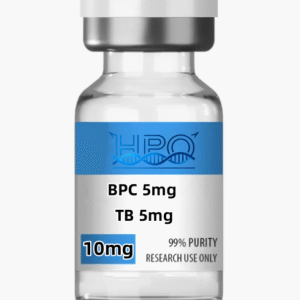
- BPC-157 – 15-amino acid peptide with cytoprotective, healing, and regenerative effects, potential neuroprotective effects
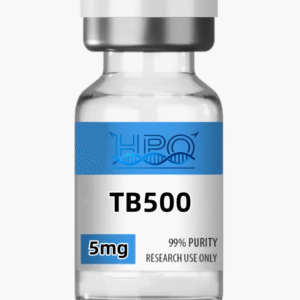
- TB-500 (Thymosin Beta-4) – 43-amino acid peptide involved in actin regulation, cell migration, tissue repair, and potential neuroprotection
- KPV – Tripeptide (Lys-Pro-Val) with potent anti-inflammatory and antimicrobial effects, potential neuroprotective effects
- Semax – Synthetic peptide (ACTH 4-10 analog) with nootropic, neuroprotective, and cognitive-enhancing effects
- Selank – Synthetic peptide (tuftsin analog) with anxiolytic, nootropic, and neuroprotective effects
- Pinealon – Synthetic tripeptide (Glu-Asp-Arg) with neuroprotective, geroprotective, and cognitive-enhancing effects
- Ventfort – Synthetic peptide with vascular protective and anti-aging effects, potential benefits for cerebrovascular health
- Cartalax – Synthetic peptide with cartilage protective effects, but also studied for potential neuroprotective effects
Quality Assurance
Our Cerebrolysin is manufactured under strict conditions and undergoes comprehensive quality testing:
- Peptide content determination (20-30% by weight, Lowry/Bradford/BCA method)
- Amino acid profiling (HPLC-based, verifying all essential and non-essential amino acids in expected ratios)
- Molecular weight distribution analysis (size-exclusion chromatography, confirming >99% <10 kDa, most <5 kDa)
- Peptide identification and characterization (mass spectrometry-based peptidomics, for research-grade material)
- Biological activity verification (in vitro neuroprotective assay in neuronal cell cultures, neurite outgrowth assay)
- pH testing (6.5-7.5 for 1% solution)
- Osmolality testing (250-350 mOsm/kg)
- Endotoxin testing (LAL method, <1 EU/mg)
- Microbial contamination screening (bioburden, yeast/mold, sterility testing for injectable grade)
- Pathogen testing (bacteria, viruses, mycoplasma, prions, for injectable/clinical grades)
- Viral inactivation verification (for injectable/clinical grades)
- Residual solvent testing
- Heavy metal testing
- Stability testing under various storage conditions
Each batch is accompanied by a Certificate of Analysis (COA) detailing all test results, including peptide content, amino acid profile, molecular weight distribution, biological activity, and safety testing. We maintain complete batch records for full traceability and regulatory compliance. Custom formulations (including different concentrations, combination products with other neurotrophic peptides, and modified release formulations) and custom purity grades are available upon request. We also offer custom synthesis and formulation services for researchers requiring specific peptide mixtures, neurotrophic factor analogs, or related compounds for neurological research.
Important Disclaimer
FOR RESEARCH USE ONLY. This product is intended exclusively for laboratory and scientific research purposes. It is not approved for human consumption, clinical diagnosis, therapeutic treatment, or veterinary use in all jurisdictions, and has not been evaluated by the FDA or other regulatory authorities for therapeutic use (although Cerebrolysin is approved and used clinically in many countries outside the US for various neurological indications). Cerebrolysin is a biologically active peptide mixture with significant effects on neuronal function, neuroprotection, neurogenesis, and cognitive function; all experiments must be conducted by qualified researchers in accordance with institutional biosafety guidelines, animal care protocols, and applicable regulations. Purchasers assume full responsibility for proper handling, storage, and use of this research material. This product is not intended for self-administration or use outside of approved research settings. Researchers should note that Cerebrolysin is generally considered safe and well-tolerated, but may cause side effects in some individuals, including headache, dizziness, nausea, vomiting, sweating, flushing, fever, chills, fatigue, injection site reactions (pain, redness, swelling, induration), allergic reactions (rash, itching, urticaria, anaphylaxis in rare cases), changes in blood pressure (hypertension or hypotension), tachycardia, and in rare cases, more serious adverse effects. Individuals with pre-existing medical conditions (particularly severe kidney or liver disease, epilepsy or seizure disorders, severe cardiovascular disease, bleeding disorders, or known allergies to porcine products or any component of the formulation) should exercise extreme caution, and Cerebrolysin should be used under medical supervision in pregnant or breastfeeding women (although it is generally considered safe, the potential risks should be weighed against benefits). In vivo studies should be conducted with appropriate ethical review and careful monitoring of relevant physiological parameters, including neurological function, cognitive function, blood pressure, heart rate, body weight, food intake, complete blood count, liver/kidney function, and any behavioral or adverse effects. The use of Cerebrolysin for the treatment or prevention of any medical condition outside of approved research protocols is not endorsed, and individuals seeking Cerebrolysin treatment for health reasons should consult with a qualified healthcare provider to determine whether it is appropriate for their condition, and to ensure that it is obtained from a reputable source and used under proper medical supervision. Researchers should be aware of the regulatory and ethical considerations surrounding the use of neurotrophic peptides and biological products in both research and potential clinical settings, and should conduct studies in accordance with all applicable laws, regulations, and institutional guidelines. Note: Cerebrolysin is derived from porcine brain tissue and is manufactured with rigorous pathogen testing and viral inactivation steps to ensure safety; however, as with any biological product derived from animal tissue, appropriate biosafety precautions should be observed.
| Specification | 60mg*10vials |
|---|
Only logged in customers who have purchased this product may leave a review.
Related products
Reviews
There are no reviews yet.